
The Main Cave Systems: What You’ll Find
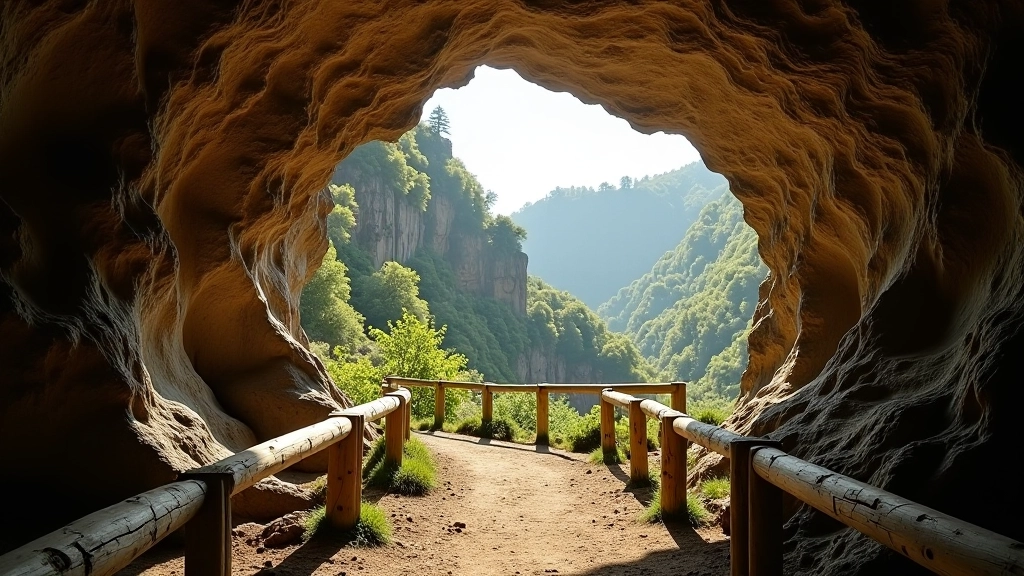
The Moravian Karst contains over 1,100 catalogued caves. You won’t visit all of them, obviously, but the main attractions are accessible and well-maintained for visitors. The biggest names are Punkva Cave, Balcárka Cave, and Kateřina Cave.
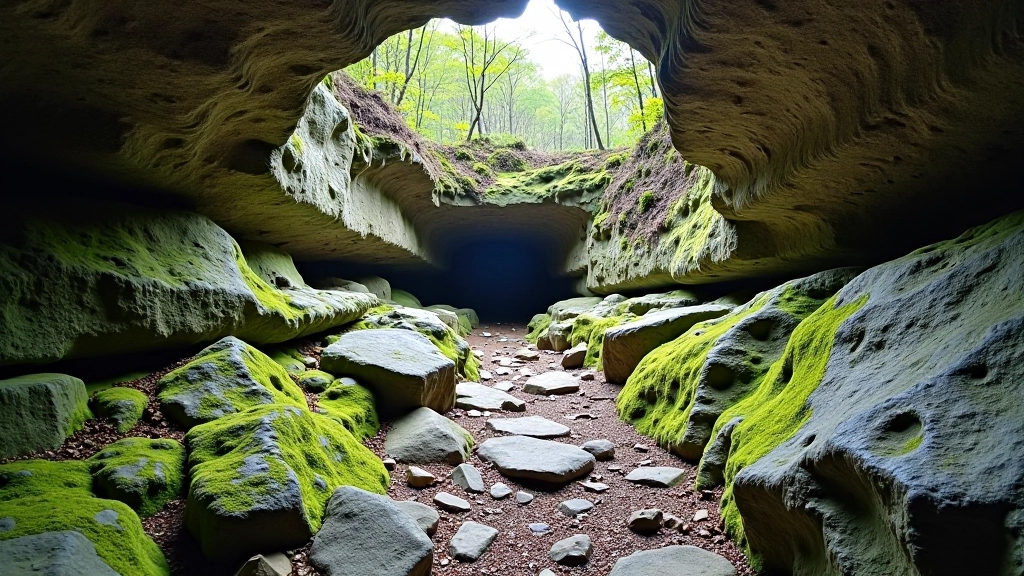
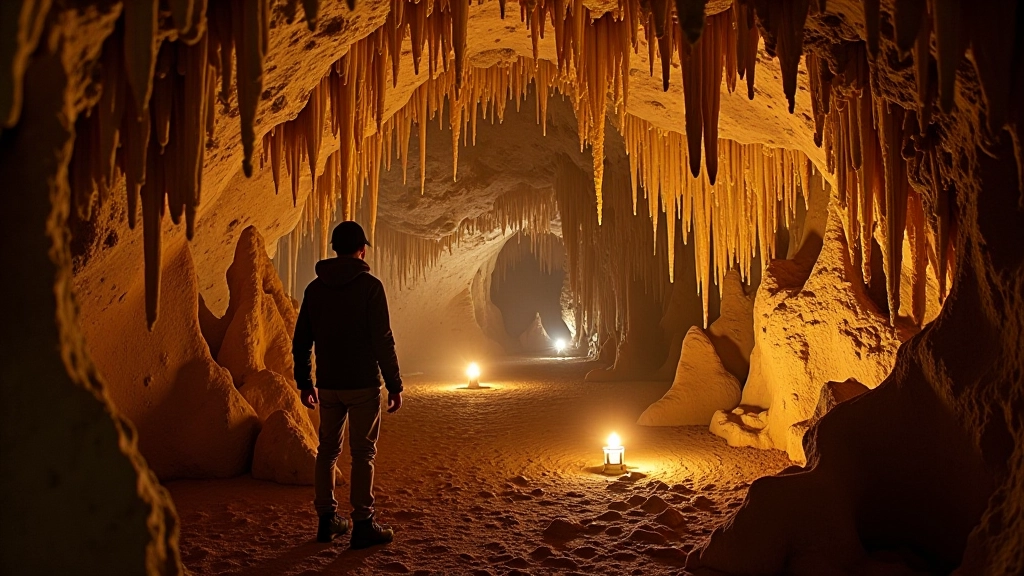
Punkva is the main draw. It’s the longest cave system in the region at roughly 3.5 kilometers, though tourists typically explore about 1.2 kilometers of marked passages. The Punkva River flows through it — you’ll hear the water echoing off the walls. It’s not loud, just this constant reminder that geology is still happening here.
Balcárka Cave sits on the opposite hillside and features spectacular crystal formations. The walls glitter when your light hits them at the right angle. It’s smaller than Punkva, which means fewer crowds and a more intimate experience. First-timers often prefer it because there’s less walking and more time to actually absorb what you’re seeing.
Kateřina Cave is the third major tourist cave. It’s got unique speleothems — that’s the technical term for cave formations like stalactites and stalagmites. The mineral content creates different colors: whites, oranges, browns. Each cave tells a different geological story.
Getting There and Entry Details
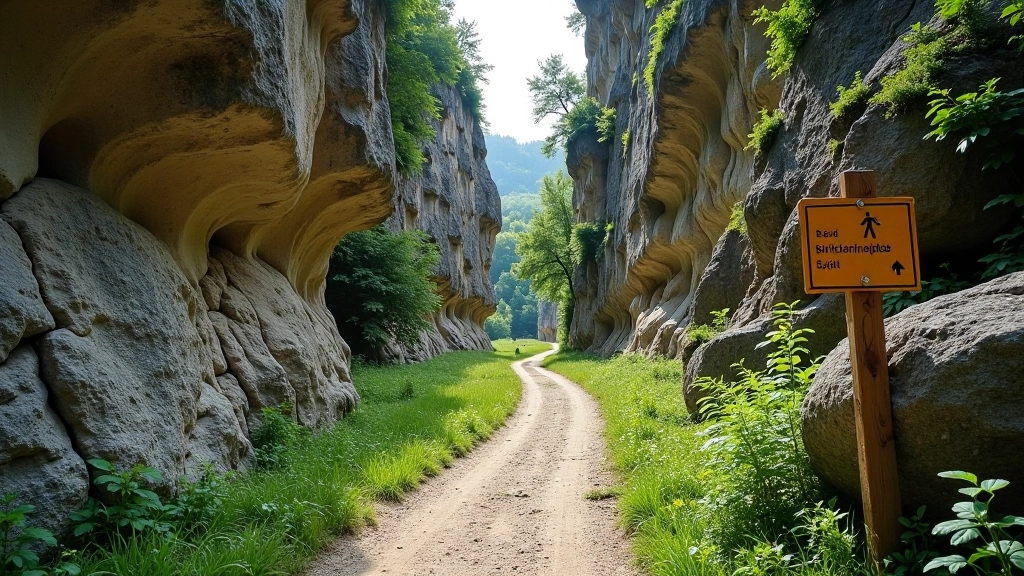
The Moravian Karst sits about 25 kilometers from Brno. You can drive to Blansko, which is the main town serving the region, and then take local roads to individual cave entrances. If you’re using public transit, trains run to Blansko from Brno multiple times daily.
Here’s what matters: You can’t just wander into caves. Each major cave has specific opening hours — typically 9 AM to 4 PM in shoulder seasons, sometimes extended in summer. Most caves require guided tours. You’ll walk with a guide for 45-90 minutes depending on which cave you choose.
Entry costs are reasonable. Expect to pay 150-200 CZK (about 6-8) per person. The tours are conducted in Czech and English. Guides move at a steady pace — nothing strenuous, but you’re not standing still either. Wear shoes with good grip. Cave floors are often wet and slippery even when they don’t look it.
Parking exists at all the main sites. It’s free, though spaces fill up on weekends. We’d recommend arriving before 10 AM if you’re going in peak season. Off-season visits in April or October? You’ll have more breathing room and the caves won’t feel crowded.
Important Information
This guide is informational and educational in nature. Cave conditions can vary seasonally. Always check current access status and weather conditions before visiting. Follow all posted signage and guidance from official cave tours. While Moravian Karst caves are designed for public access, they remain natural underground environments where conditions differ significantly from surface conditions. Consult official tourism websites for the most current information on opening hours, pricing, and safety requirements.
What to Pack and Wear
Cave temperatures stay around 8-10C year-round. That’s cold. We’re talking “goosebumps in summer” cold. Bring a light jacket or fleece even if it’s 25C outside. You’ll be grateful after 10 minutes underground.
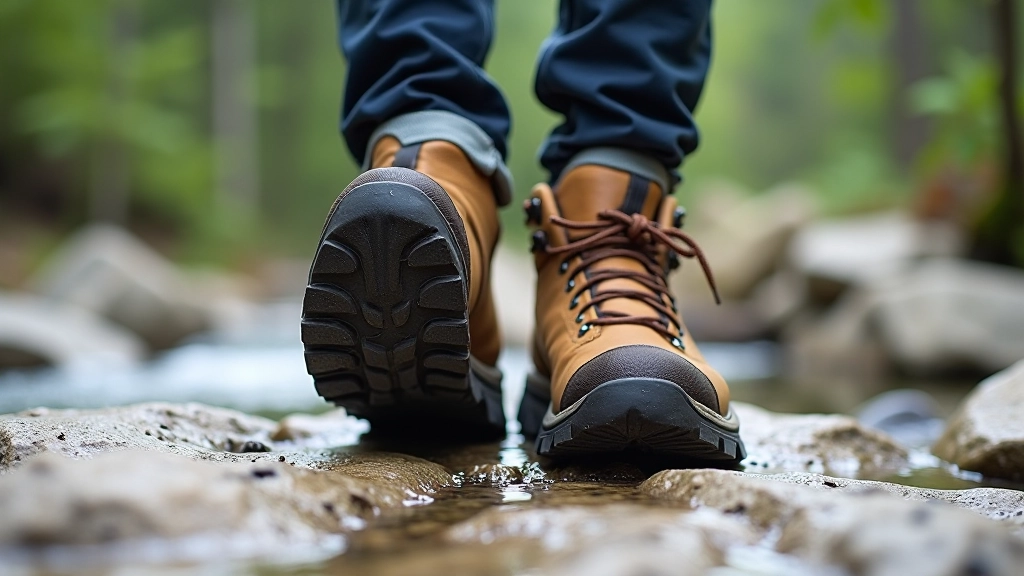
Wear closed-toe hiking shoes or sturdy walking boots with real grip. No sandals, no canvas sneakers. The cave floor combines smooth limestone with irregular rocks and moisture. One slip ruins your day and potentially hurts you. Good boots prevent that.
Bring water — a 500ml bottle is plenty. The air in caves is cool and can feel dry, even when there’s water everywhere. A small backpack holds everything. Sunscreen isn’t necessary (no sun), but hand sanitizer is useful if you touch the rock formations, which you shouldn’t but people do.
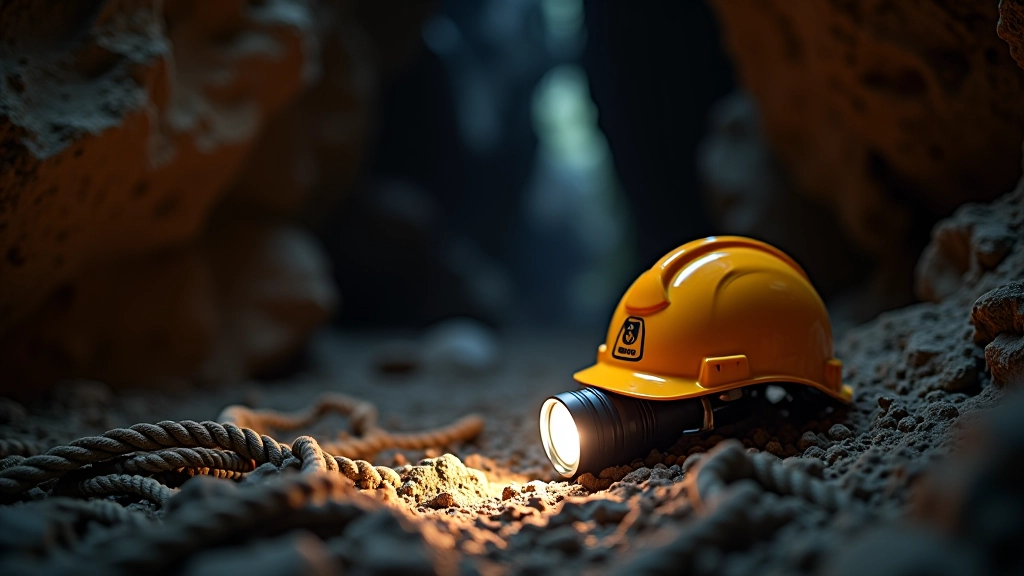
Photography is allowed in most caves. Phone lights work fine for basic photos, though a small headlamp or flashlight gives you better visibility and better images. Avoid using flash — it disrupts the cave environment and ruins photos anyway due to the reflections.
Safety Tips That Actually Matter
Stay with the guide group. That’s rule one. Cave systems are confusing. You could walk into a dead-end passage thinking it continues, and suddenly you’re lost 200 meters below the surface. Don’t be that person. The guides know the routes, they’ve done this hundreds of times, and they’re not rushing.
Watch your footing constantly. Cave floors are uneven and wet. There’s no shame in moving slowly. Everyone moves at their own pace on these tours, and the guides adjust. Move your feet deliberately, test your weight before committing, and use handrails where they exist.
Don’t touch formations. We know, they’re fascinating. But cave formations grow about 1 centimeter every hundred years. Your hand oils damage the surface and slow that growth. Plus, formations are fragile — they break if you push them.
Respect the silence. Other visitors want to experience this, too. You don’t need to whisper, but keep conversations low. The acoustic properties of caves make sound travel weirdly, and noise bounces around in ways that frustrate everyone.
Essential Beginner Checklist
Dress Warm
Caves stay 8-10C. Bring a fleece or light jacket regardless of outside temperature.
Good Footwear
Closed-toe hiking shoes with real grip. No sandals or canvas sneakers.
Bring Water
500ml bottle minimum. Cave air feels drying even with all the moisture.
Move Deliberately
Floors are uneven and wet. Test your footing, use handrails, move at your pace.
Photo Smart
Phone lights work fine. Skip the flash — it causes reflections and bothers others.
Don’t Touch
Formations are fragile and grow slowly. Look with your eyes, not your hands.
Your First Cave Visit Awaits
The Moravian Karst isn’t intimidating once you know what to expect. You’ll walk through passages shaped by geological time, see formations that took millennia to create, and experience an environment totally different from the surface world above. It’s transformative without being extreme.
Start with Punkva or Balcárka Cave. Book a tour online to avoid disappointment. Bring what we’ve mentioned. Listen to the guide. Move carefully. Don’t touch the rocks. And just soak it in — the cool air, the dripping water, the strange beauty of being 100 meters underground in Central Europe.
You’ve got this. The caves are ready for you.